
What is Search Engine Optimization and Why is it Important for Businesses?
magine you have created a beautiful website for your business, but no one visits it. No matter how excellent your product or service is, if customers cannot find you online, you won’t make any sales. Today, most people begin the process of buying anything with a simple Google search. If your website doesn’t appear in those search results, you risk losing significant opportunities to your competitors.
This is why many business owners begin to ask, What is search engine optimization, and how can it help grow my business?” Search engine optimization (SEO) is one of the most effective digital marketing strategies; it attracts the right audience to your website and fosters long-term business growth. Investing in SEO can help you reach more customers without relying solely on paid advertising, whether you are a startup, a local business, or an established brand.
In this guide, we cover what search engine optimization is, why it is essential for businesses, how it works, its different types, and how it can boost your online store.
What is Search Engine Optimization?
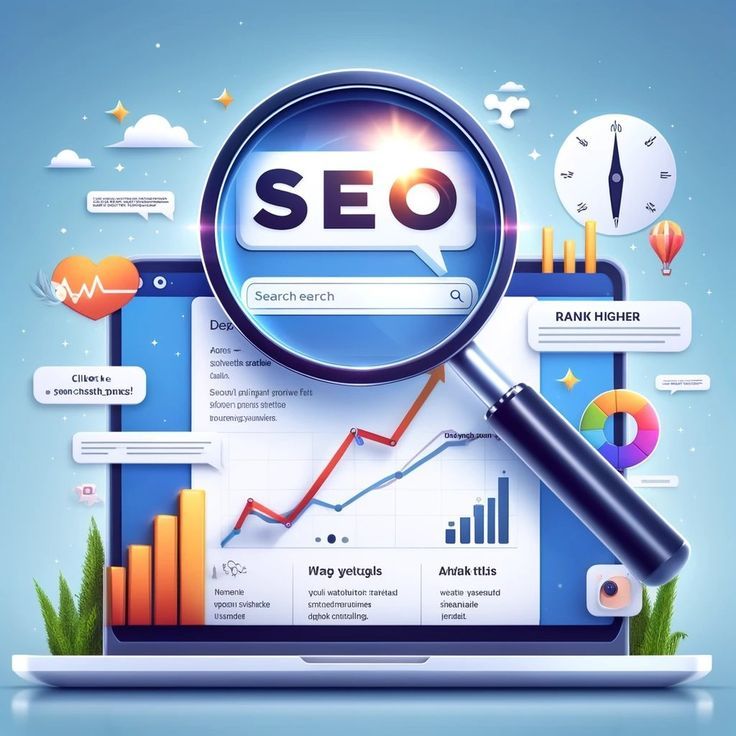
Fundamentally, SEO is the process of making your website better so that search engines like Google, Bing, or Yahoo will rank it higher in search results. When a user types a query into Google, the search engine despatches bots to search through billions of webpages and determine which ones provide the best answers. SEO is the process of persuading both the algorithm’s humans and those bots that your page should be ranked highly.
Consider this: Google manages millions of books, much like a librarian. SEO means making a book easy to find, highlighting its value to the reader, and recommending it to others.
The goal of SEO is not to trick search engines. Its aim is to create a website that genuinely helps your audience—one that loads quickly, provides clear answers to problems, and gradually earns their trust.
Why is Search Engine Optimization Important for Businesses?
More than 68% of all online experiences start with a search engine, according to one figure that makes the issue clear. For a significant portion of your prospective clientele, you are essentially invisible if your company is not listed in search results.
There is much more to search engine Optimization for businesses than just rankings. Long-term growth, revenue, and brand trust are all directly impacted. Here’s why companies really can’t overlook it:
- Organic traffic is free and sustainable. SEO operates continuously, in contrast to paid advertisements that cease as soon as your funding runs out.
- It builds trust and authority. Users are informed that your company is reputable and relevant when it appears on Google’s first page.
- It delivers better ROI. The conversion rate of SEO leads is far higher than that of outbound marketing strategies.
- It gives you a competitive edge. You’re already losing behind your rivals if you don’t invest in SEO.
To put it simply, SEO is among the most economical strategies to expand your company’s internet presence.
How Search Engine Optimization Works
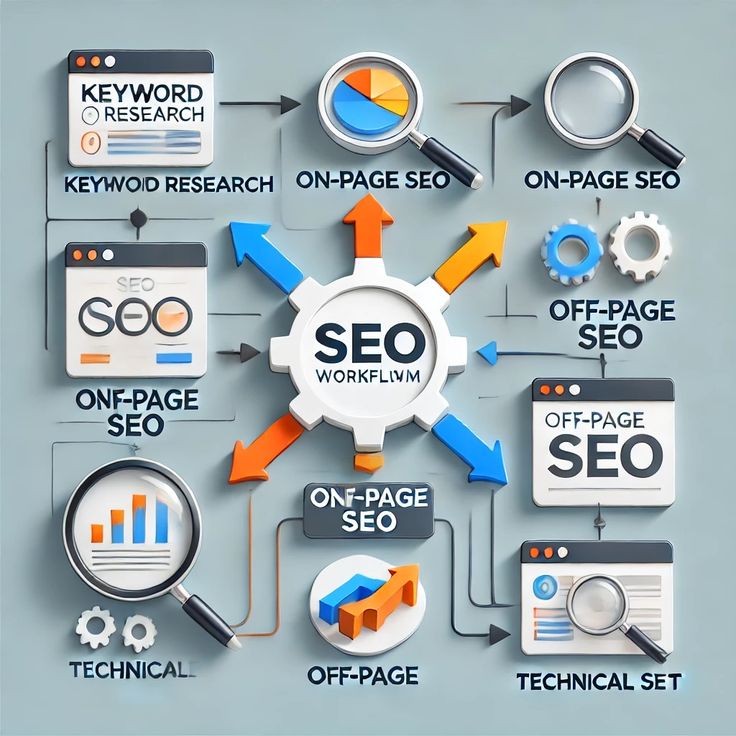
Understanding how Search Engine Optimization works helps you make smarter decisions for your website. The process involves three key stages:
1. Crawling
Search engine bots (also called “spiders”) crawl the web to discover new and updated content. They follow links from page to page, collecting data along the way.
2. Indexing
Once a page is crawled, search engines store relevant information in their index — a massive database of web content. If your page isn’t indexed, it simply won’t appear in search results.
3. Ranking
When a user performs a search, the engine runs its algorithm to match the query with the most relevant, trustworthy, and well-structured pages from its index. This is where your SEO efforts pay off — or fall short.
Key ranking factors include content quality, backlinks, page speed, mobile-friendliness, and user engagement signals. Google alone uses over 200 ranking signals, which is why SEO is an ongoing effort, not a one-time fix.
Types of Search Engine Optimization
SEO is not just a single strategy—it encompasses much more. Here are the key types of search engine optimization you should know about:
On-Page SEO
This involves optimizing the content and HTML elements on your actual web pages. It includes:
- Writing high-quality, keyword-optimized content
- Crafting compelling title tags and meta descriptions
- Using proper heading structures (H1, H2, H3)
- Optimizing images with descriptive alt text
- Improving internal linking
On-page SEO is entirely within your control, making it the best place to start.
Off-Page SEO
Off-page SEO refers to actions taken outside your website that influence your rankings. The biggest factor here is backlinks — links from other websites pointing to yours. Think of backlinks as votes of confidence. The more high-quality sites that link to you, the more trustworthy you appear to search engines.
Other off-page strategies include guest blogging, social signals, brand mentions, and influencer partnerships.
Technical SEO
Even the best content won’t rank if your website has technical issues. Technical SEO focuses on:
- Site speed optimization
- Mobile responsiveness
- Secure HTTPS connection
- Clean URL structures
- XML sitemaps and robots.txt files
- Fixing broken links and crawl errors
Think of technical SEO as the foundation your house is built on. Everything else depends on it.
Local SEO
For businesses with a physical location or those serving a specific geographic area, local SEO is crucial. It helps you show up in “near me” searches and Google Maps results. Key tactics include optimizing your Google Business Profile, collecting reviews, and building local citations.
Benefits of Search Engine Optimization
Higher rankings are just one of the many benefits of Search Engine Optimization. Here’s what you really get:
- Increased organic traffic — More visibility means more visitors without paying per click.
- Better user experience — SEO improvements often align with making your site faster and easier to navigate.
- Higher conversion rates — Organic searchers have high intent; they’re actively looking for what you offer.
- Long-term results — A well-optimized page can drive traffic for months or even years.
- Brand authority — Consistently appearing at the top builds trust with your target audience.
- Insights into customer behavior — SEO tools reveal what your audience is searching for, helping you refine your product and messaging.
Search Engine Optimization for Businesses
Depending on your size, industry, and objectives, search engine optimization for businesses takes numerous forms. A B2B software company looking for enterprise clients has different requirements than a local bakery optimizing for “best chocolate cake in [city]”.
But regardless of niche, every business benefits from:
- A well-structured, fast-loading website
- Content that answers real customer questions
- A consistent presence in local or industry-specific search results
- Regular performance tracking and iteration
For small businesses, SEO can level the playing field — giving you a chance to compete with larger competitors without a massive advertising budget.
How to Create an Effective Search Engine Optimization Strategy
A winning Search Engine Optimization strategy doesn’t happen by accident. Here’s a simplified roadmap:
Step 1: Conduct Keyword Research Find out what your target audience is actually searching for. Use tools like Google Keyword Planner, Ahrefs, or SEMrush to identify high-intent keywords relevant to your business.
Step 2: Audit Your Existing Website Before building new content, fix what’s broken. Run a technical audit to identify crawl errors, slow pages, and broken links.
Step 3: Create High-Quality Content Write content that genuinely answers user questions. Focus on depth, accuracy, and readability. Google’s Helpful Content guidelines reward pages that put users first.
Step 4: Build Backlinks Ethically Reach out to industry publications, write guest posts, and create shareable content that earns links naturally.
Step 5: Track and Adjust Use Google Analytics and Google Search Console to monitor your traffic, rankings, and click-through rates. SEO is a data-driven discipline — let the numbers guide your decisions.
Common SEO Mistakes to Avoid
Even well-meaning marketers fall into these traps:
- Keyword stuffing — Overloading your content with keywords hurts readability and can trigger Google penalties.
- Ignoring mobile users — Over 60% of searches now happen on mobile. A non-responsive site is a dealbreaker.
- Neglecting page speed — Slow loading times increase bounce rates and lower rankings.
- Buying low-quality backlinks — Spammy links can tank your site’s authority overnight.
- Skipping meta descriptions — These small snippets influence click-through rates more than people realize.
- Publishing thin content — Pages with little value rarely rank. Focus on depth and usefulness.
Conclusion
Even well-meaning marketers fall into these traps:
- Keyword stuffing — Overloading your content with keywords hurts readability and can trigger Google penalties.
- Ignoring mobile users — Over 60% of searches now happen on mobile. A non-responsive site is a dealbreaker.
- Neglecting page speed — Slow loading times increase bounce rates and lower rankings.
- Buying low-quality backlinks — Spammy links can tank your site’s authority overnight.
- Skipping meta descriptions — These small snippets influence click-through rates more than people realize.
- Publishing thin content — Pages with little value rarely rank. Focus on depth and usefulness.
Conclusion
By now, you have a solid understanding of what is Search Engine Optimization — and more importantly, why it matters. SEO is not a quick fix or a shortcut. It’s a long-term investment in your website’s visibility, credibility, and growth. Whether you’re just starting out or looking to refine an existing approach, the principles of what is Search Engine Optimization remain consistent: create real value, build trust, and stay focused on your audience’s needs. In a digital world where attention is scarce and competition is fierce, mastering what is Search Engine Optimization might just be the smartest move your business ever makes.
5 SEO-Friendly FAQs
Q1: What is Search Engine Optimization in simple words? Search Engine Optimization (SEO) is the process of improving your website’s visibility on search engines like Google so more people can find it when searching for topics related to your business or content.
Q2: How long does it take for SEO to show results? SEO is a long-term strategy. Most websites begin to see noticeable improvements in organic rankings within 3 to 6 months, depending on competition, domain authority, and the quality of your content and backlinks.
Q3: Is SEO free or paid? SEO itself is free in terms of organic traffic — you don’t pay for clicks. However, it does require time, effort, and often investment in tools, content creation, and technical expertise.
Q4: What is the difference between SEO and SEM? SEO focuses on earning organic (unpaid) traffic through optimization. SEM (Search Engine Marketing) includes both SEO and paid advertising like Google Ads. SEO builds long-term visibility; SEM can deliver immediate results through paid placements.
Q5: Can a small business benefit from SEO? Absolutely. In fact, SEO is one of the most cost-effective marketing strategies for small businesses. It allows you to compete with larger brands by targeting specific local or niche keywords and building trust with your audience organically.